In America, one in five people suffers a neurodevelopmental disability. That number is likely to be even higher in Silicon Valley.
A Sunnyvale, woman-owned organization called Friendly Accessibility has a mission to help those with such special needs.
“We specialize in digital accessibility and sensory-friendly spaces,” said Julie Steele, the organization’s founder.
“Friendly Accessibility started in 2021 out of necessity,” Steele said.

That necessity was highly personal.
“As a mom to two neurodivergent young adults with sensory sensitivities, I watched my kids struggle,” said Steele. “They needed accommodations to thrive in education, healthcare, employment and everyday services—but those accommodations simply weren’t there.”
“That personal experience became my mission: to make welcoming spaces easy for everyone,” she said.
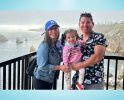
Steele’s own daughter—Jade—had special needs. Little did Jade know that she would become her mother’s advocacy partner.
“Jade brings the neurodivergent perspective that makes our solutions genuinely effective. We operate from the disability rights principle of ‘nothing about us without us’—you cannot ask an AI or follow a checklist to know if people feel comfortable, you must ask the people themselves,” said Steele.
According to Steele, accessibility is not just the right thing to do—it is also good business.
“One in four U.S. adults has a disability. Globally, that’s over 1 billion people with $13 trillion in annual spending power,” she said. “75% of consumers with disabilities say they’d pay more for accessible products and services.
“When spaces are designed for everyone, you can reach more people and everyone wins,” she continued.
From loud sounds to harsh fluorescent lights, living with heightened sensitivity can be a constant challenge.
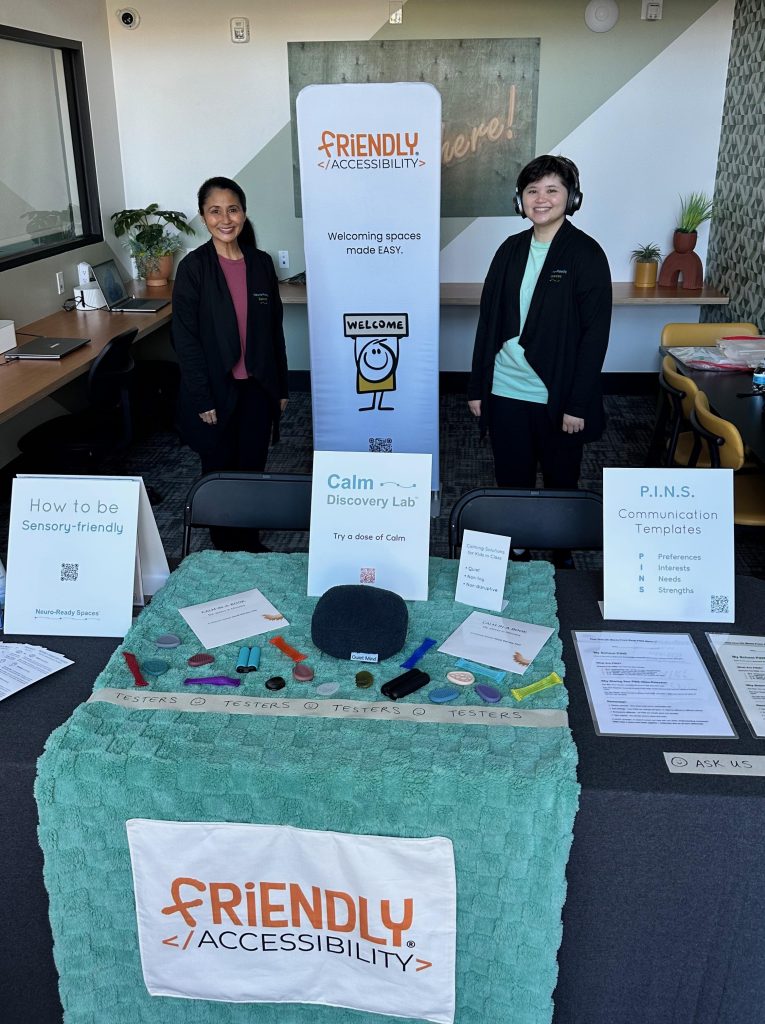
“What feels normal to you might feel completely overwhelming to individuals with neurodevelopmental disabilities,” Steele said. “We help organizations understand that sensory-friendly doesn’t mean complicated or expensive.”
“You don’t need perfection,” she continued. “Small adjustments prevent big problems: softer lighting instead of harsh fluorescents, quieter environments, reduced visual clutter, comfortable textures, and options to adjust sensory input.”
Noise is an especially big source of discomfort for many sensitive souls.
“Noise is the number one guest complaint across 2.5 million hotel reviews worldwide, and 60% of guests leave negative reviews rather than complain to staff,” Steele explained.
Sensory-friendly spaces are not limited to the disabled, said Steele.
“Music, lighting, aromas, and temperature control significantly impact satisfaction ratings,” she said. “These aren’t just ‘neurodivergent issues’—they affect everyone. We can all use doses of calm and stress relief.
“Sensory-friendly spaces create better experiences for business travelers needing to decompress, families with young children, and anyone dealing with stress or overstimulation,” Steele continued. “When forward-thinking organizations step up, we create a world that works for everyone.”
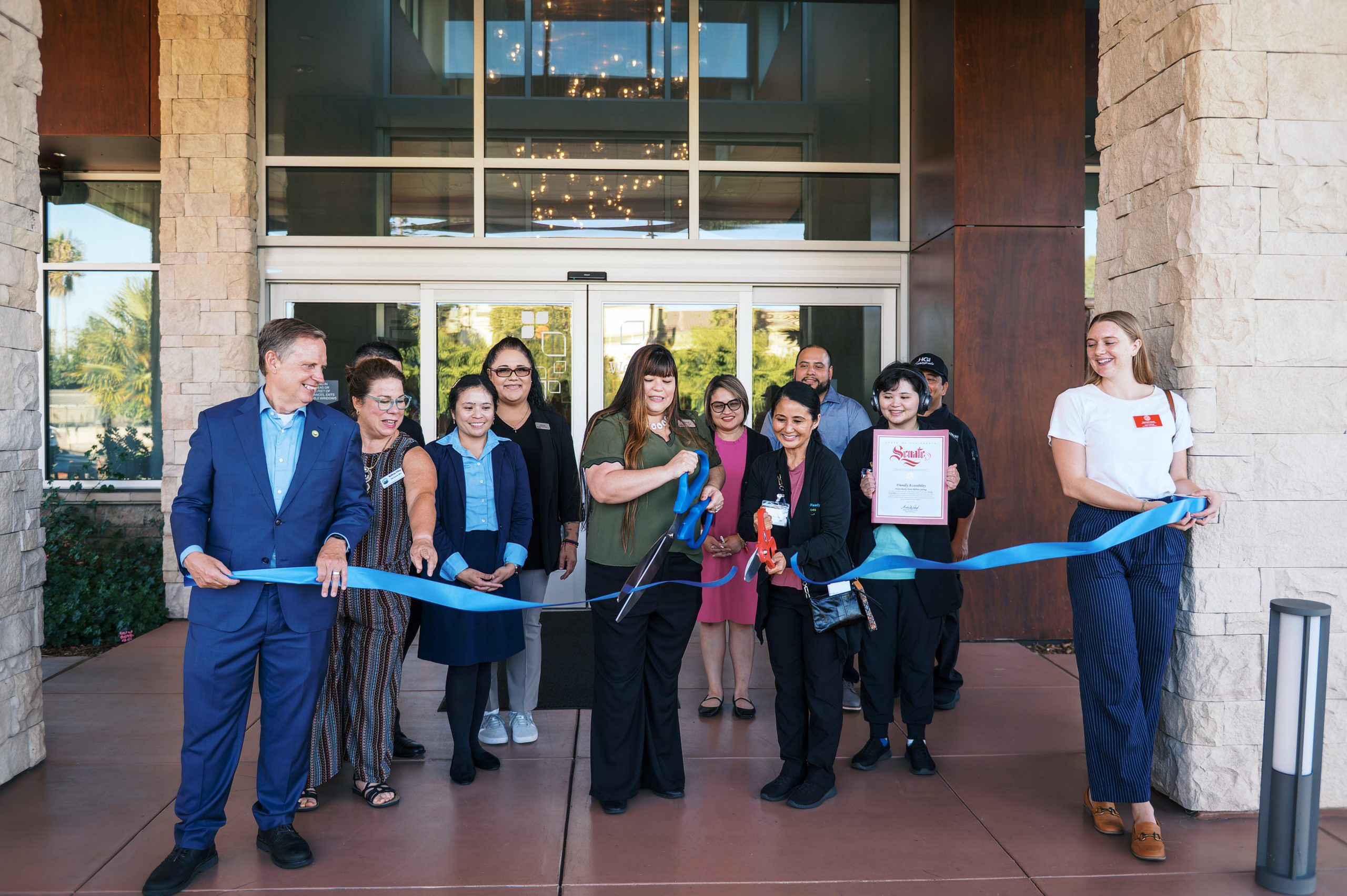
Steele’s advocacy led to the creation of the first sensory-friendly hotel in Silicon Valley—Hilton Garden Inn Sunnyvale.
“We trained their staff in sensory-friendly service and created Calm Kits available at the front desk featuring Quiet Mind weighted pillows, sound machines, and our exclusive Calm-in-a-Book therapy tool,” Steele said.
“Guest spaces were thoughtfully curated with sensory considerations like adjustable lighting and sound features,” she continued. “Mayor Larry Klein and California State Senator Dr. Aisha Wahab’s staff joined us for the ribbon-cutting celebration, showing strong civic support for this pioneering work.”
According to Steele, her daughter Jade’s firsthand input as a sensory-sensitive individual was especially valuable in this project. It mirrored their philosophy that true accessibility comes from lived experience.
Their initial success created a snowball effect, quickly inspiring others to adopt sensory-friendly services.
In the end, Steele never forgets her special advocate.
“When we train staff, they’re learning from someone who lives this reality. That authenticity transforms how organizations approach accessibility,” Steele said.
Related Posts:
Colorful Minds: Silicon Valley Teen Provides Art Workshops for Neurodivergent Children
SCPD Joins Pragnya to Support Neurodiversity
Local High School Junior Isabella He Founds SN Inclusion for Neurodiverse Individuals



0 comments