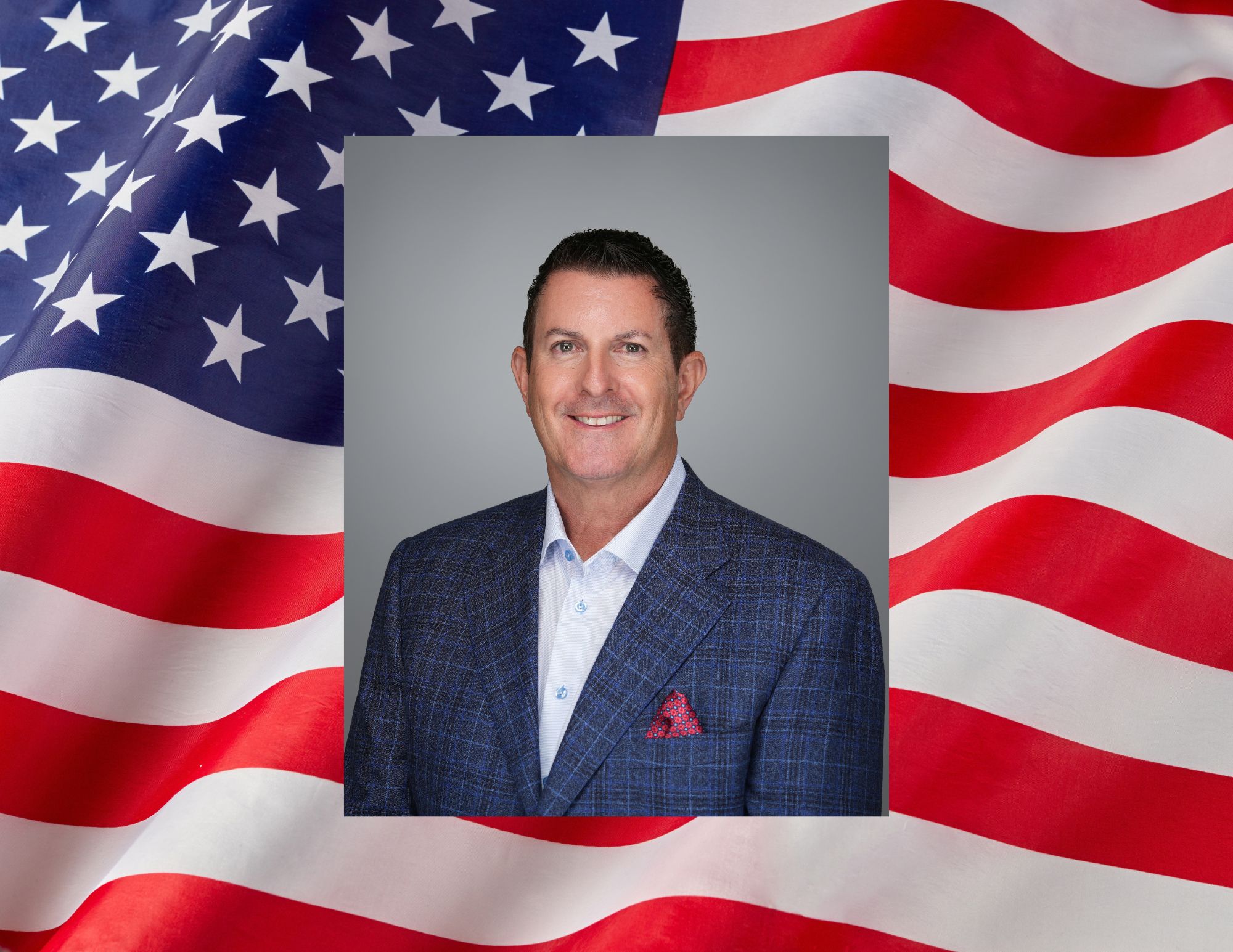
With a full slate of candidates, The Weekly wanted to give voters insight into each candidate’s position on a slew of issues we believe matter most to Santa Clarans.
Consequently, we asked them seven questions, giving them the flexibility to answer as many as they wanted. We limited their responses to 1,000 words (allowing a bit of flexibility for how disparate word processors count words). Their responses appear verbatim.
The Silicon Valley Voice will roll out each candidate’s answers in the days leading up to the election.
How do you think the city handled the Super Bowl and the FIFA World Cup this year? If you were on the city council, what would you have done differently? How would you balance the desire to have more events like these at Levi’s Stadium with neighborhood impacts?
Our city and public services really stepped up. Every event I went to including the Super Bowl and a World Cup match with my son was organized, safe, and genuinely enjoyable. The crowds were diverse, energetic, and respectful, and getting in and out of the stadium was surprisingly smooth. It felt like Santa Clara showed what it can do when the spotlight is on.
If I were on the City Council, I would’ve pushed harder to work directly with the 49ers to bring more of the action into Santa Clara itself. Instead, San Jose and San Francisco ended up hosting a lot of the ancillary events and soaking up the attention. They benefited from the excitement while Santa Clara carried most of the costs and responsibilities.
Over the past ten years, the city has added lots of housing but has floundered with respect to public amenities and infrastructure (the swim center is in disrepair, the convention center is falling apart and the BMX Park is slated to move, just to name a few). What more should the city be doing to prevent the loss of — or add more — public amenities and find a better balance between housing and public amenities, without asking residents to approve another $400 million bond measure?
I really believe the City needs to start putting money aside every year for infrastructure. We’ve gone decades without doing that, and that’s exactly why we ended up needing a bond measure. It’s no different than owning a home for 25 years, never fixing anything, and then being shocked when the bill for repairs hits $200,000.
We should be investing in small businesses and working with developers to make sure the ground floors of new buildings aren’t sitting empty. Those empty spaces are lost tax revenue and missed opportunities for neighborhoods to grow. We need shops, restaurants, and places people actually want to visit.
We also need to finally move the Downtown project forward and get the Related development built. That project alone could bring in $50–70 million a year. We should be fully utilizing the Convention Center instead of letting it sit underused. When you add all of this together, the city could easily generate over $100 million a year — money that could go straight into infrastructure instead of waiting 20+ years and ending up with another bond measure.
This is why Santa Clara needs a Mayor with real business and operational experience — someone who understands planning, budgeting, and how to work with the council, the city manager, and developers to actually get projects moving. That’s the kind of leadership I’d bring.
According to Silicon Valley At Home, while Santa Clara does well to meet its Regional Housing Needs Allocation (RHNA) numbers for Low Income and Above Moderate Income households, it struggles to create housing for low-income households. What should the city do to create PERMANENT spaces for the poorest Santa Clara residents?
We keep building, and prices are not coming down. In the last three years, Santa Clara has added a huge number of apartments, yet a one-bedroom still rents for over $3,500 a month. That’s not affordable.. How is a working family supposed to make that work?
The first thing we should be doing is offering real incentives to developers to build true affordable housing on city-owned land. We need more sustainable, community-focused developments like the Agrihood. Right now, working families have a hard time staying in Santa Clara, and if this continues, we’re going to lose essential workers who simply can’t afford to live here anymore.
I also want to see more opportunities for residents to actually purchase property. Condos and townhomes at below-market rates, paired with city programs that help families buy their first home, would make a huge difference.
If we want a stable, diverse, and thriving community, we have to give working families a path to stay here — not just hope the market magically fixes itself.
Silicon Valley Power has increased rates six times since January 2022 as the utility continues to expand. Would you like to see this expansion continue? With more data centers than ever, do you think SVP’s trajectory is in the best interest of residents?
We need to cap yearly utility rate increases. A 3% limit makes sense. Residents only use about 10% of the electricity, yet we always seem to be the ones paying more than our fair share. Yes, Santa Clara’s rates are lower than PG&E, but that won’t matter if we keep raising them substantially every year. Working families and seniors on fixed incomes feel those increases immediately. Even small bumps hit hard when you’re already juggling food, transportation, and childcare costs.
We absolutely need infrastructure improvements — no question about that — but they shouldn’t be paid for on the backs of residents. Data centers and large corporations rely heavily on our power grid. They should be contributing more toward the upgrades they depend on. Let’s stop squeezing the people who are already stretched thin and start asking the biggest users to carry more of the load.
This is the kind of practical, fair approach I’d push for: protect residents, keep rates predictable, and make sure the companies that benefit most from our infrastructure help pay to maintain it.
Name some issues on which you would have voted differently from your predecessor and some that you would have voted the same. Explain why.
I would have voted differently for the redistricting of council. I agree that we need to have six distinctive districts with the council members living in the district they represent.
How do you plan to balance neighborhood-specific advocacy with citywide budget and policy tradeoffs?
Balancing neighborhood needs with citywide decisions starts with listening. Each part of Santa Clara has its own issues
But once you know what people are dealing with, you have to look at the bigger picture. The city can’t chase every issue one by one — we need to prioritize what benefits Santa Clara as a whole and be honest about what we can fund now versus what needs long-term planning.
My approach is simple: listen locally, plan citywide. Address neighborhood concerns where they fit into larger goals like infrastructure, safety, economic growth, and affordability.
That’s where real operational experience matters — knowing how to prioritize, budget, and keep projects moving without leaving any neighborhood behind.
What would you do to ensure that the Related project does not see another several years of delay?
Part of the delay with the Related project is simple: they don’t have the power they need. The substation upgrades are behind schedule and could take another 18 to 24 months. That pushes the project out to 2028 or 2029. It’s like trying to build an ADU in your backyard without power or sewer lines — no one would invest $200,000 just to let it sit unused.
As Mayor, the first thing I’d do is bring everyone to the table — Related, the City Manager, the Council, and SVP — and run a real Kaizen session. Lay out the timeline, use visual management, identify exactly where the delays are, who owns each step, and what can be done to move things forward. No finger pointing, just problem solving.
Residents deserve to know where the project stands and what’s being done to speed it up. My project management background is built for situations like this — getting people aligned, fixing bottlenecks, and keeping major projects on track.
Previous Mayoral Candidate Posts:
Gary Ferraris
Karen Hardy




0 comments