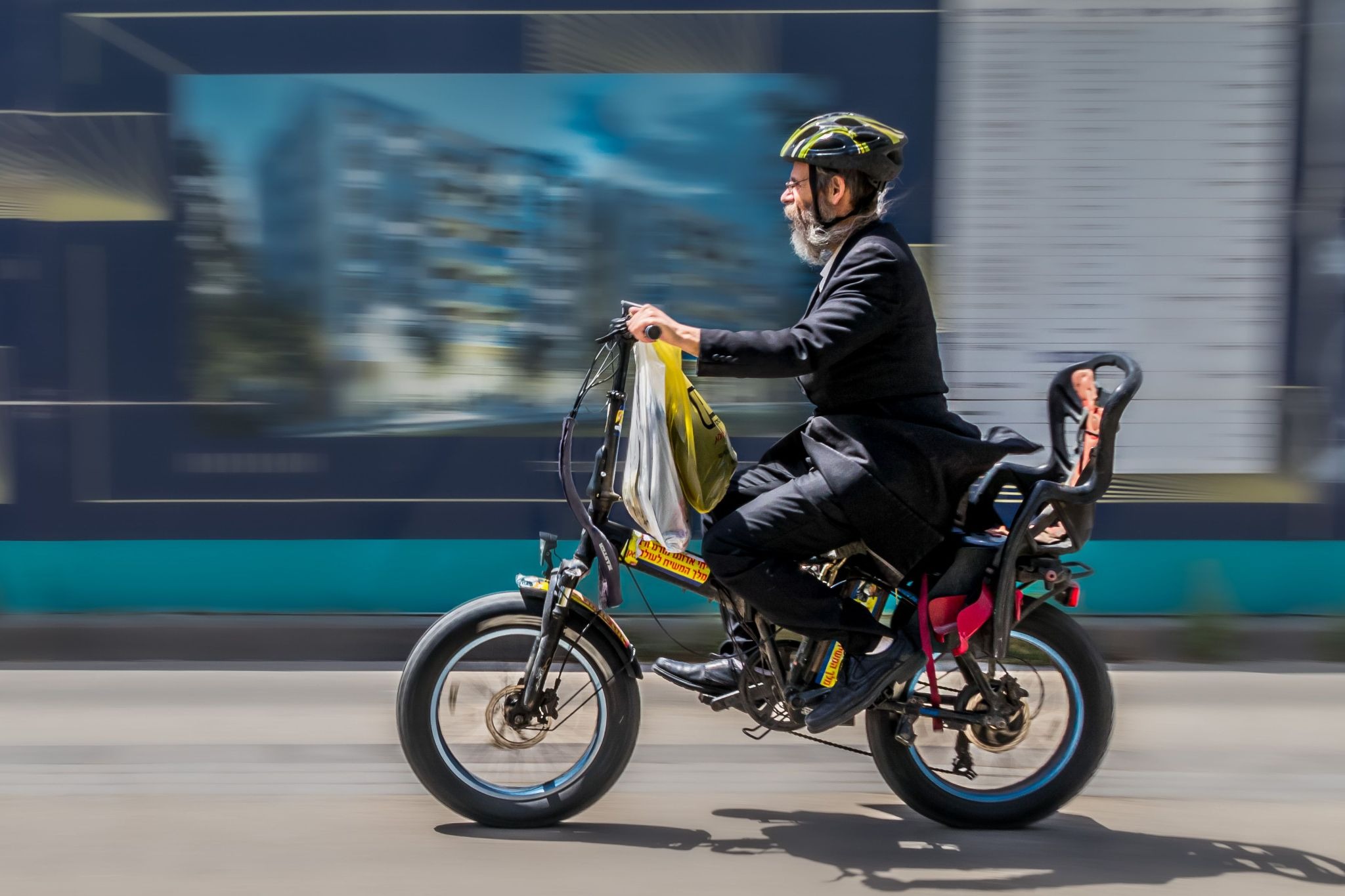
E-bikes are everywhere in the South Bay. Students ride them to campus, parents use them for school drop-offs, and commuters use them to skip traffic on El Camino Real. They are fast, quiet, and fun. They also put riders in the same space as cars, trucks, and buses.
A little preparation goes a long way. Here are practical tips to help Santa Clara and Sunnyvale riders stay safe.
Know Your E-Bike Class
California sorts e-bikes into three classes under Vehicle Code § 312.5. Class 1 bikes give pedal assist up to 20 mph. Class 2 bikes have a throttle and also top out at 20 mph. Class 3 bikes give pedal assist up to 28 mph.
The class matters because the rules change with speed. Under Vehicle Code § 21213, Class 3 riders must be at least 16 and must wear a helmet. Look for the class sticker on your bike. If you buy used, check that it is still there and that the motor has not been changed to go faster.
Wear the Right Gear
A helmet is the best habit you can build. California requires one for riders under 18 under Vehicle Code § 21212. Adults on slower e-bikes are not always required to wear one, but a crash at 20 mph can still cause a serious head injury.
Choose a helmet that fits snugly and sits level on your head. Add a front white light and a rear red light, even in daylight. Bright clothing helps too. Many local crashes happen at dusk, when drivers are tired and the sun is low.
Ride Like Drivers Cannot See You
Many collisions happen because a driver says, “I never saw them.” Assume that is true on every ride.
- Make eye contact at intersections before you cross.
- Stay out of a driver’s blind spot, especially next to trucks and buses.
- Watch for cars turning right across the bike lane.
- Slow down near parked cars. A door can open without warning.
Busy roads like Lawrence Expressway and El Camino Real need extra care. Drivers move fast and change lanes often. When you can, use a quieter parallel street or a trail such as the Stevens Creek Trail.
Use the Space the Law Gives You
Drivers must give riders room. The Three Feet for Safety Act, found in Vehicle Code § 21760, requires at least three feet of space when a car passes a bike. That rule exists for a reason, but you should not depend on it alone.
Ride in a straight, predictable line. Use hand signals before you turn. Do not weave in and out of parked cars. If a lane is too narrow for a car to pass safely, it is often safer to take the lane than to hug the curb.
Keep Your Bike and Battery in Good Shape
An e-bike is heavier than a regular bike, so it needs more stopping distance. Check your brakes every week. Make sure your tires are firm and your chain is clean. Test your lights before you leave.
Battery care matters as well. Charge it on a hard surface away from anything that can burn, and do not leave it plugged in overnight. Use the charger that came with your bike. Cheap replacement batteries and chargers can overheat.
Share Paths With Care
Trails are great for beginners, but they get crowded. Walkers, kids, and dogs can be hard to predict. Slow down and give a clear warning before you pass. A bell or a friendly “on your left” works well.
Pay attention to posted signs. Cities and parks can set their own limits on where e-bikes may go and how fast they can travel. A quick look at your city’s website can save you a ticket.
What to Do After a Crash
Even careful riders can get hurt. If you are in a crash, move to a safe spot if you can and call 911. Get medical care, even if you feel fine. Some injuries, like concussions and soft tissue damage, show up hours or days later.
Take photos of the scene, your bike, and any damage. Collect names and phone numbers from drivers and witnesses. Keep your helmet and clothing as they are, since they can show how the crash happened. Do not give a recorded statement to an insurance company before you understand your options.
E-bike claims can be complicated. Insurers may argue about the bike class, your speed, or whether you were at fault. Speaking with a San Jose personal injury lawyer can help you understand your rights, protect your claim, and handle the insurance process while you focus on healing.
The Bottom Line
E-bikes can make getting around Santa Clara and Sunnyvale easier and more enjoyable. Know your bike, wear a helmet, stay visible, and ride with care. If you do those things, you lower your risk and enjoy the ride.
This is a sponsored post.







0 comments