


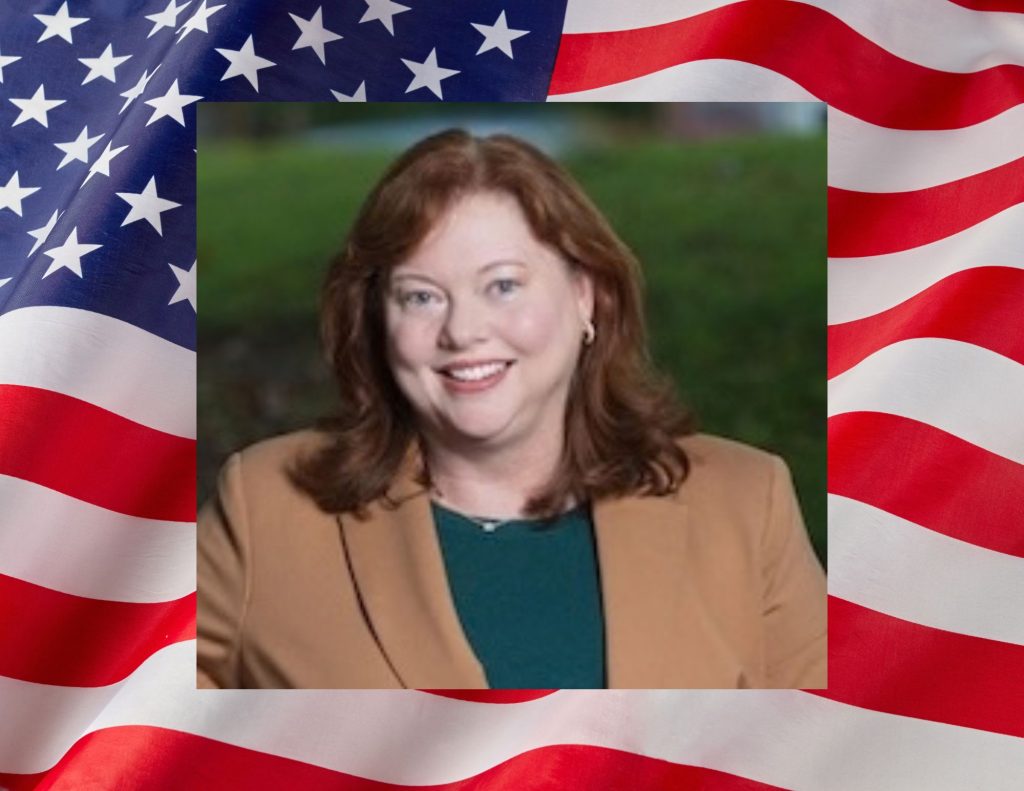
With a full slate of candidates, The Weekly wanted to give voters insight into each candidate’s position on a slew of issues we believe matter most to Santa Clarans.
Consequently, we asked them seven questions, giving them the flexibility to answer as many as they wanted. We limited their responses to 1,000 words (allowing a bit of flexibility for how disparate word processors count words). Their responses appear verbatim.
The Silicon Valley Voice will roll out each candidate’s answers in the days leading up to the election.
How do you think the city handled the Super Bowl and the FIFA World Cup this year? If you were on the city council, what would you have done differently? How would you balance the desire to have more events like these at Levi’s Stadium with neighborhood impacts?
Santa Clara proved it can host successful, high-profile events, bringing visibility and economic activity to our city. But the run-up also exposed how far behind some public amenities have fallen: the swim center closed, the BMX track is in limbo, and long-promised retail near the stadium still has not been built. I would have pushed earlier for coordinated planning, transparent public updates, and firm timelines holding developers and event partners accountable for promised improvements.
I support bringing more marquee events to Levi’s Stadium, but success cannot be measured only by attendance or national attention. The city should secure traffic, parking, transit, public safety, trash, noise, and neighborhood protections well in advance, with clear responsibilities and full cost reimbursement so residents are not left paying the bill. After each major event, the city should publicly evaluate what worked and what did not. Hosting world-class events should produce world-class benefits for Santa Clara residents—not just profits and publicity for others.
Over the past ten years, the city has added lots of housing but has floundered with respect to public amenities and infrastructure (the swim center is in disrepair, the convention center is falling apart and the BMX Park is slated to move, just to name a few). What more should the city be doing to prevent the loss of — or add more — public amenities and find a better balance between housing and public amenities, without asking residents to approve another $400 million bond measure?
The swim center closure taught us an expensive lesson: deferred maintenance does not disappear—it compounds. Santa Clara needs a long-term capital plan that funds routine upkeep in every budget cycle, sets firm repair timelines, and prevents public facilities from reaching crisis conditions. That includes modernizing the city-owned Convention Center, an important economic asset that supports tourism, hospitality, local businesses, and city revenue.
Investing in these facilities also creates construction, maintenance, recreation, and service jobs. New development must contribute its fair share through regularly updated impact fees and negotiated community-benefit agreements. Those requirements must be predictable and reasonable so we can still attract the housing and investment Santa Clara needs. The city should also pursue state, federal, and regional grants, and explore responsible partnerships that preserve public ownership and access, instead of asking residents to approve another massive bond.
As Santa Clara grows, we should plan housing and amenities together, including parks, expanded aquatic facilities, flexible indoor recreation centers, performing-arts and cultural spaces, connected trails, and gathering places for teens, families, and seniors. Smart growth means maintaining what we have while building complete neighborhoods where people can live, work, gather, and thrive for generations.
According to Silicon Valley At Home, while Santa Clara does well to meet its Regional Housing Needs Allocation (RHNA) numbers for Low Income and Above Moderate Income households, it struggles to create housing for low-income households. What should the city do to create PERMANENT spaces for the poorest Santa Clara residents?
Santa Clara has real work to do. It’s clear that the private market will not produce enough homes affordable to extremely low-income residents without sustained public investment. I would prioritize partnerships with the County, Housing Authority, nonprofits, and affordable-housing developers to build, acquire, and rehabilitate permanently affordable and permanent supportive housing. The city can contribute public land, waive or defer fees, streamline approvals for 100% affordable projects, and aggressively pursue county, state, federal, and philanthropic funding to close the funding gaps.
We should also preserve naturally occurring affordable housing, require meaningful affordability in new development, and pair housing with supportive services for residents who need them. This is about seniors on fixed incomes, people with disabilities, extremely low-wage workers, families facing displacement, and residents experiencing homelessness. Meeting our RHNA targets is not enough. Deeply affordable housing must be treated as essential community infrastructure, with measurable goals, dedicated funding, and accountability.
Silicon Valley Power has increased rates six times since January 2022 as the utility continues to expand. Would you like to see this expansion continue? With more data centers than ever, do you think SVP’s trajectory is in the best interest of residents?
I have real concerns about SVP’s current trajectory. Six rate increases since 2022 are a lot to ask of residents, and we need transparent accounting of how much growth and cost are being driven by data centers rather than community needs. I support investments necessary to maintain reliability, serve our community, and advance electrification, but expansion should not become an open-ended subsidy for data-center growth. Before approving additional capacity, the council should require an independent assessment of the cumulative effects on rates, grid reliability, water use, emissions, and surrounding neighborhoods—and clearly identify who benefits and who pays. High-demand users should cover the full cost of the infrastructure they require. SVP’s affordable, reliable power is one of Santa Clara’s greatest assets. We must protect that public benefit first.
Name some issues on which you would have voted differently from your predecessor and some that you would have voted the same. Explain why.
Williams chose to not answer this question.
How do you plan to balance neighborhood-specific advocacy with citywide budget and policy tradeoffs?
I see these as connected, not competing. A district council member must understand and advocate for neighborhood needs while making decisions that serve Santa Clara as a whole. Every neighborhood decision has citywide budget implications, and every citywide policy affects neighborhoods differently.
My approach is to listen carefully, ask who benefits and who bears the burden, and use clear, consistent criteria to set priorities. I will be honest when fiscal realities limit what is possible, and I will push back when a citywide policy unfairly burdens one neighborhood without sufficient justification. I will not promise everything to everyone.
For 15 years, I have brought people with different priorities together to make thoughtful decisions that hold up over time. Residents deserve a councilmember who explains the constraints, shows how decisions are made, and tells them the truth. By being transparent about our choices and working collaboratively toward practical solutions, we can strengthen individual neighborhoods while building a more connected and successful Santa Clara.
What would you do to ensure that the Related project does not see another several years of delay?
Related Santa Clara has been stalled for a decade through a mix of litigation, the pandemic, a collapsed anchor tenant, and, notably, a 2022 state ruling finding the project was effectively publicly subsidized through below-market rent increases, reduced development fees, and a city-funded substation, which triggered prevailing wage requirements the developer initially resisted. Each time market conditions shift, we’ve seen the project’s terms renegotiated, most recently swapping planned office space for light industrial and data center use. I’d push for binding, enforceable milestones tied to real consequences, not indefinite flexibility, before approving further changes to the plan. If Related would like continued cooperation from the city, the city needs firm delivery dates for the housing, retail, and park space residents were originally promised, not another decade of adjustments to fit the developer’s shifting business model.